


Emergency Drone Solutions for Crisis Management
- chrisbrooks4
- Oct 6, 2025
- 4 min read
In recent years, the role of drones in emergency situations has expanded dramatically. These versatile tools have become indispensable in crisis management, offering rapid, precise, and often life-saving support. As someone deeply involved in this field, I have witnessed firsthand how emergency drone applications transform the way we respond to disasters and protect critical infrastructure. This post explores the practical uses of drones in emergencies, highlighting their benefits and providing actionable insights for public agencies, commercial clients, and first responders.
Exploring Emergency Drone Applications
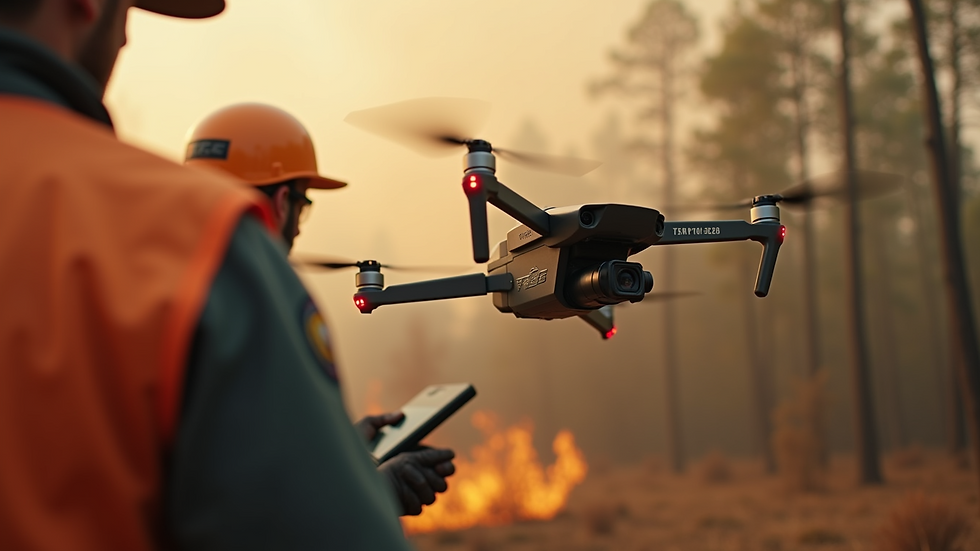
Drones have evolved from simple aerial photography devices to sophisticated platforms capable of supporting complex emergency operations. Their ability to quickly access hard-to-reach areas and provide real-time data makes them invaluable during crises. Here are some key emergency drone applications that have proven effective:
Search and Rescue Operations: Drones equipped with thermal imaging cameras can locate missing persons in dense forests or disaster zones where visibility is low. Their aerial perspective allows responders to cover large areas faster than ground teams.
Damage Assessment: After natural disasters like hurricanes or floods, drones can survey affected areas to assess damage to infrastructure such as bridges, roads, and power lines. This rapid assessment helps prioritize response efforts and allocate resources efficiently.
Hazardous Material Monitoring: In chemical spills or industrial accidents, drones can safely monitor hazardous environments without putting human responders at risk. Sensors can detect toxic gases or radiation levels, providing critical information for containment.
Communication Relay: In situations where communication networks are down, drones can act as temporary communication hubs, extending the reach of emergency response teams.
Delivery of Medical Supplies: Drones can transport essential medical supplies, such as blood or vaccines, to remote or inaccessible locations during emergencies.
These applications demonstrate the versatility and effectiveness of drones in enhancing emergency response capabilities.

Integrating Drones into Emergency Response Services
To maximize the benefits of drones, integration into existing emergency response frameworks is essential. Coordination between drone operators and emergency management agencies ensures that drone data complements other sources of information. Here are some practical steps for successful integration:
Training and Certification: Operators must be trained not only in drone piloting but also in understanding emergency protocols and data interpretation.
Standard Operating Procedures (SOPs): Establish clear SOPs for drone deployment during different types of emergencies. This includes defining roles, communication channels, and data sharing protocols.
Collaboration with Emergency Response Services: Partnering with established emergency response services ensures that drone operations align with broader response efforts and legal requirements.
Technology Compatibility: Ensure drones and their data systems are compatible with other emergency management technologies, such as GIS mapping and command center software.
Regular Drills and Simulations: Conducting joint exercises helps identify gaps and improve coordination between drone teams and emergency responders.
By following these steps, agencies can harness the full potential of drones to enhance situational awareness and decision-making during crises.

What are the 15 ESFs?
The 15 Emergency Support Functions (ESFs) are a framework used by emergency management agencies to organize resources and capabilities during disasters. Each ESF represents a specific area of support critical to effective crisis management. Understanding these functions helps clarify where drone applications can be most impactful.
Transportation - Managing transportation systems and infrastructure.
Communications - Restoring and maintaining communication networks.
Public Works and Engineering - Repairing and restoring public infrastructure.
Firefighting - Coordinating firefighting resources.
Emergency Management - Overall coordination of emergency response.
Mass Care, Emergency Assistance, Housing, and Human Services - Providing shelter and support services.
Logistics Management and Resource Support - Managing resources and supplies.
Public Health and Medical Services - Delivering healthcare and medical support.
Search and Rescue - Locating and rescuing victims.
10. Oil and Hazardous Materials Response - Managing hazardous material incidents.
11. Agriculture and Natural Resources - Protecting agriculture and natural resources.
12. Energy - Restoring energy systems.
13. Public Safety and Security - Maintaining law enforcement and security.
14. Long-Term Community Recovery - Supporting recovery and rebuilding.
15. External Affairs - Managing public information and communications.
Drones can support many of these ESFs, particularly in search and rescue, damage assessment, communications, and hazardous materials monitoring. Their ability to provide timely, accurate data enhances the effectiveness of each function.
Practical Recommendations for Implementing Emergency Drone Solutions
Implementing drone solutions in crisis management requires careful planning and execution. Here are some actionable recommendations based on experience and best practices:
Select the Right Drone Technology: Choose drones with capabilities tailored to your needs, such as thermal imaging, high-resolution cameras, or chemical sensors.
Develop Clear Deployment Criteria: Define when and how drones should be deployed during emergencies to avoid confusion and delays.
Ensure Data Security and Privacy: Establish protocols to protect sensitive information collected by drones, especially in public safety operations.
Invest in Maintenance and Upgrades: Regularly maintain drone equipment and update software to ensure reliability during critical missions.
Engage Stakeholders Early: Involve all relevant parties, including local authorities, emergency responders, and community leaders, in planning and training.
Leverage Data Analytics: Use advanced analytics to interpret drone data quickly and accurately, supporting faster decision-making.
Plan for Redundancy: Have backup drones and operators ready to ensure continuous coverage during prolonged emergencies.
By following these recommendations, agencies can build robust drone programs that enhance their emergency response capabilities.
Advancing Emergency Preparedness with Drone Technology
The future of emergency management lies in embracing innovative technologies like drones. As threats become more complex and frequent, the ability to respond swiftly and effectively is paramount. Drones offer a unique combination of speed, precision, and safety that traditional methods cannot match.
Investing in drone technology and integrating it into emergency plans not only improves immediate response but also strengthens long-term resilience. By continuously refining drone applications and training, agencies can stay ahead of evolving challenges.
The Investigation Group LLC is committed to leading this advancement in the Southeast, providing expert drone services that support critical infrastructure protection, public safety, and disaster response. Their elite Special Operations background ensures that every mission is executed with precision and reliability.
Incorporating drones into your emergency management strategy is no longer optional - it is essential. The benefits are clear, the technology is proven, and the time to act is now. Together, we can build safer, more prepared communities through the power of emergency drone applications.


Comments